
Understanding the Historic Walls
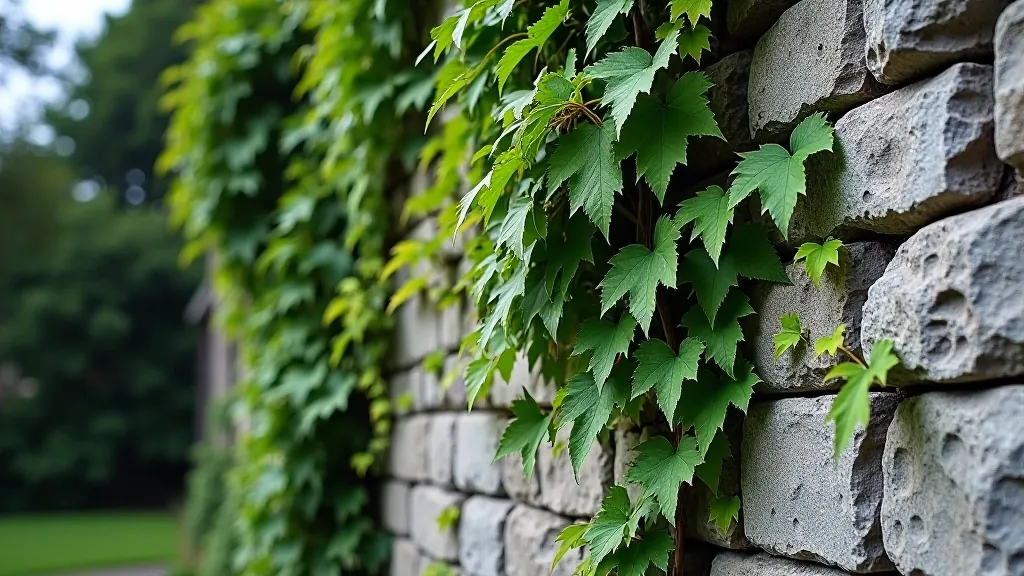
Kilkenny's medieval walls aren't just old stones—they're a story. Built between the 13th and 14th centuries, these defences protected merchants, craftspeople, and families from raids and invasion. What you'll see today are fragments of that ambition. Some stretches remain nearly intact, others are integrated into modern buildings, and a few sections have vanished entirely beneath shops and homes.
The circuit route follows the perimeter where walls once stood continuously. You're not just walking past history—you're retracing the exact boundary that defined the medieval town. Modern heritage markers help you spot original stonework, rebuilt sections, and archaeological evidence of the original defences. It's mostly level walking with occasional gentle slopes, making it very doable for a leisurely morning or afternoon.
Key Gates & Landmarks
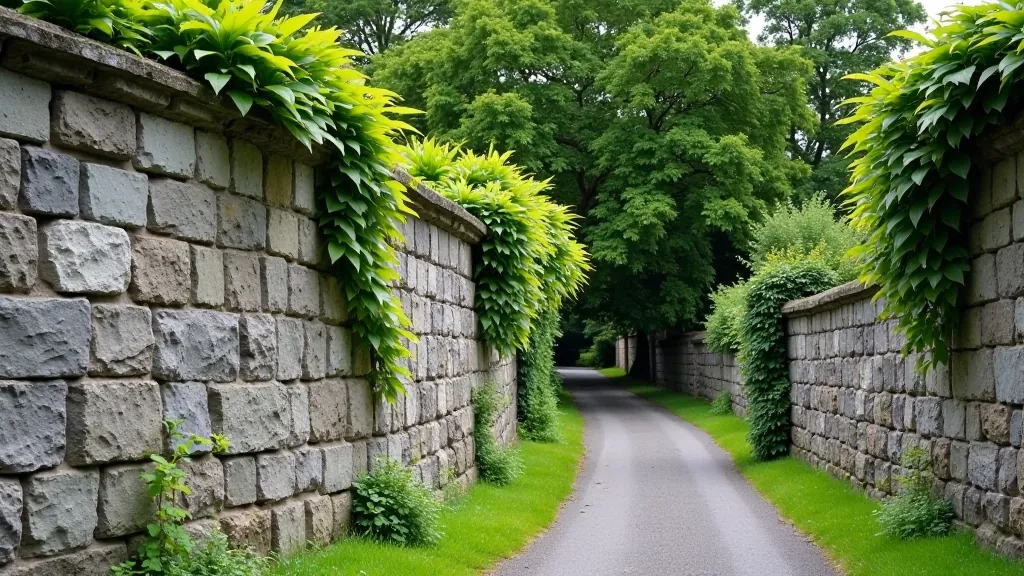
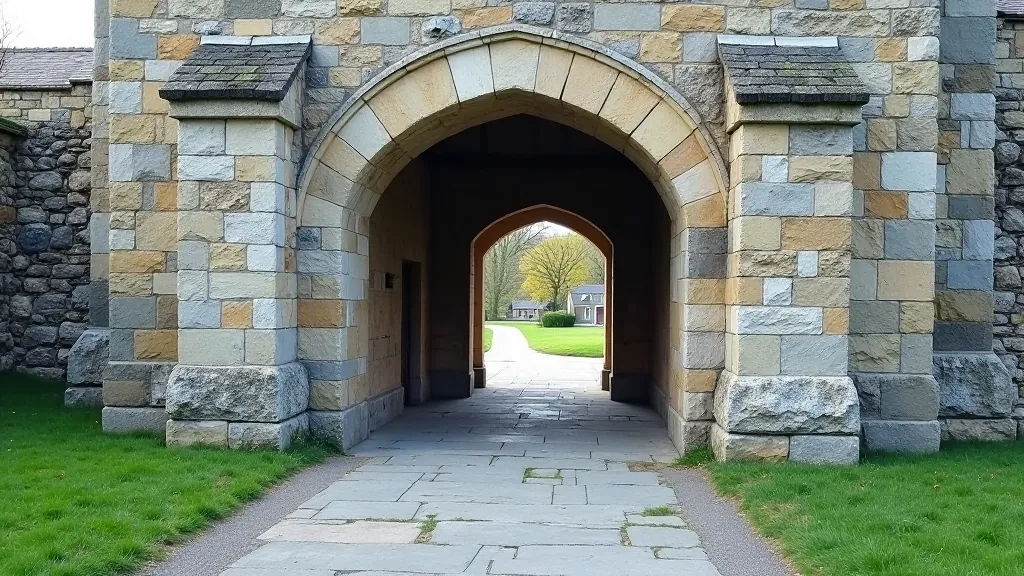
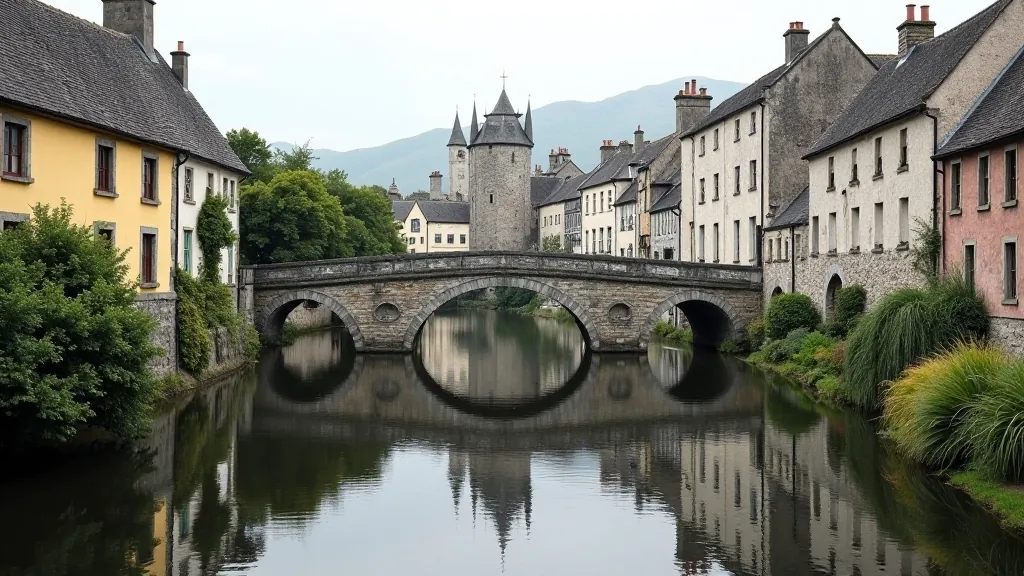
There were seven main gates in the original wall system. You won't see all of them fully intact—that's just the reality of 700 years of urban change. But you'll spot several meaningful remains. The Watergate near the bridge shows original stonework and sits where merchants once moved goods in and out. St. Canice's Gate marks another entry point, and the Earl's Gate has been substantially restored in recent years.
Each landmark has a heritage marker explaining what stood there and why it mattered. Don't rush past these. They're not lengthy—just enough detail to understand the defensive strategy. The walls didn't just keep enemies out; they controlled who came in and what they could sell. That's why gates were positioned near markets and rivers.
About This Guide: This is an informational resource for exploring Kilkenny's walking routes. Details about historical features, timings, and route conditions are based on current information but can change. We recommend checking local visitor services or contacting Kilkenny Tourism before your visit for any recent updates about access, facilities, or seasonal closures. Always wear appropriate footwear and bring water, especially on warmer days.
Walking the Route: Practical Details
The 3-kilometre circuit typically takes 45 minutes to an hour at an easy pace. You can break it into sections and explore at whatever speed suits you. Most of the route uses existing pavements and footpaths—you're not scrambling over walls or walking through fields. Some sections run along quiet streets, others pass through parks or alongside buildings that now occupy the wall line.
Starting from the Castle area makes sense logistically. Head towards the river, follow the water's edge for a stretch, then work your way around the northern and eastern perimeter. The western side runs through more of the town centre with shops and cafés nearby. Ground conditions are generally firm, though a few older cobbled sections can be slippery when wet. Wear comfortable shoes with good grip—nothing too formal or new.
Interpreting What You See
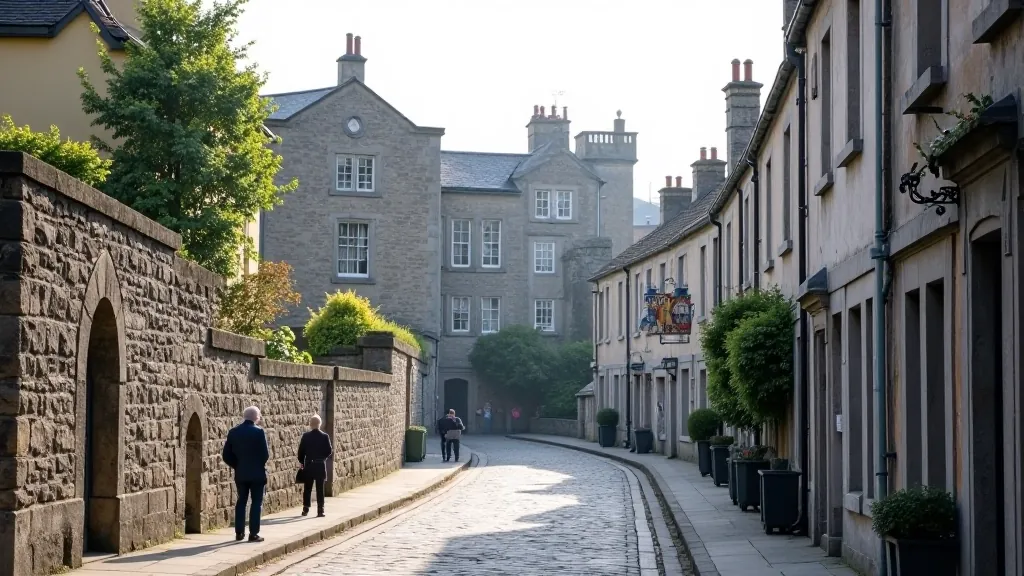
Walking medieval walls takes a bit of imagination. You're seeing fragments and traces rather than complete structures. Some heritage boards show artist reconstructions of what the full walls looked like—towers, crenellations, the full defensive height. That context helps. Without it, you're just looking at old stones. With it, you start seeing the engineering and ambition behind them.
Notice how walls align with natural topography. They run along higher ground where possible, using the landscape to their advantage. Where they dip into valleys, they'd have been more vulnerable—which is probably why some sections were damaged or destroyed more readily than others. Medieval builders understood defensive positioning. They didn't just drop walls randomly; they thought through sight lines, access points, and the terrain.
A Walk Through Centuries
The Walled Town Perimeter isn't a dramatic hike or a challenging trek. It's a contemplative walk through layers of history. You're retracing boundaries that mattered enormously 700 years ago, seeing how they've been adapted and absorbed into modern Kilkenny. Some visitors find it meditative. Others are fascinated by the engineering questions. Many simply enjoy being outdoors on a manageable, interesting route.
What makes this walk work for pensioners and casual walkers is the pace and the accessibility. There's no pressure to complete it quickly. Stop at benches overlooking the river. Spend time reading heritage markers. Pop into a café when you fancy a break. The walls have waited 700 years—they're not going anywhere. Your experience of them doesn't need to be rushed.