Getting Started: Choosing the Right Bike
What to look for in a bike frame, seat comfort, and tyre options that make canal cycling enjoyable and safe.
Read ArticleHow to start with shorter rides, gradually build endurance, and listen to your body without pushing too hard. Rest days matter.
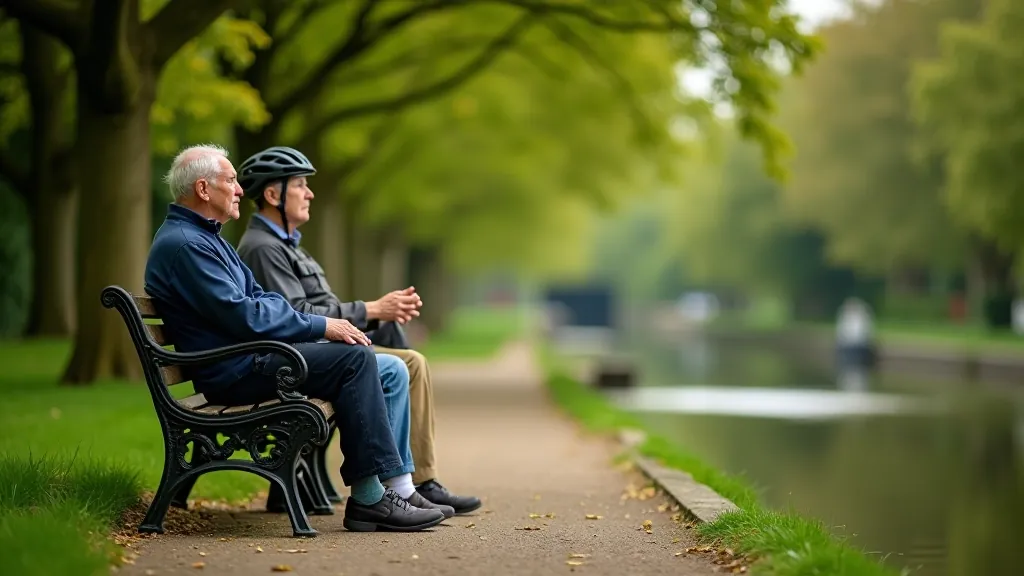
You don't need to ride 20 kilometres on your first week out. That's the trap most people fall into, and it's why they quit. Your body needs time to adapt — your legs, your lungs, your cardiovascular system. It's not weakness. It's just biology.
When you start gradually, something interesting happens. Around week three or four, you'll notice that the same route that left you breathless now feels manageable. You'll have energy left when you finish. That's not coincidence — that's your body actually getting stronger.
Think of it like building a house. You wouldn't put the roof on before the foundation was solid. Fitness works the same way. The early rides lay your foundation.
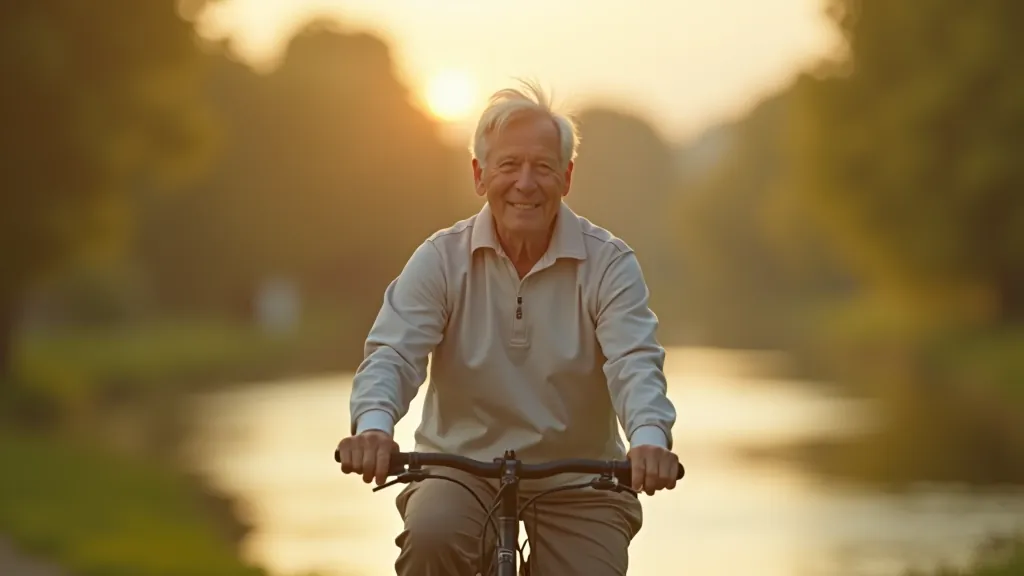
Most riders report genuine improvement in endurance by week three. Your breathing becomes easier. Climbs that felt steep feel manageable.
This isn't a race. Two to three kilometres is plenty for your first ride. You're building the habit, not proving anything to anyone.
Your muscles repair between sessions. Two days on, one day easy (or off) is the pattern that actually works.
This isn't set in stone — everyone's body is different. But this is the pattern we see working best. You'll adapt it based on how you feel.
Two short rides (2-3 km each), flat terrain only. Doesn't matter if it's slow. You're learning how your body feels on the bike. One rest day between rides.
Now you're doing three rides per week. Two of them stay at 3-4 km. The third can be slightly longer (4-5 km). You should be breathing harder but still able to chat.
Keep the pattern of three rides. Your longer ride gradually increases to 6-8 km. The other two stay comfortable. This is where you start feeling genuinely fitter.
By now you've found what works. Maybe that's three 8 km rides per week. Maybe it's two longer rides (10 km) and one short recovery ride. Listen to your body.
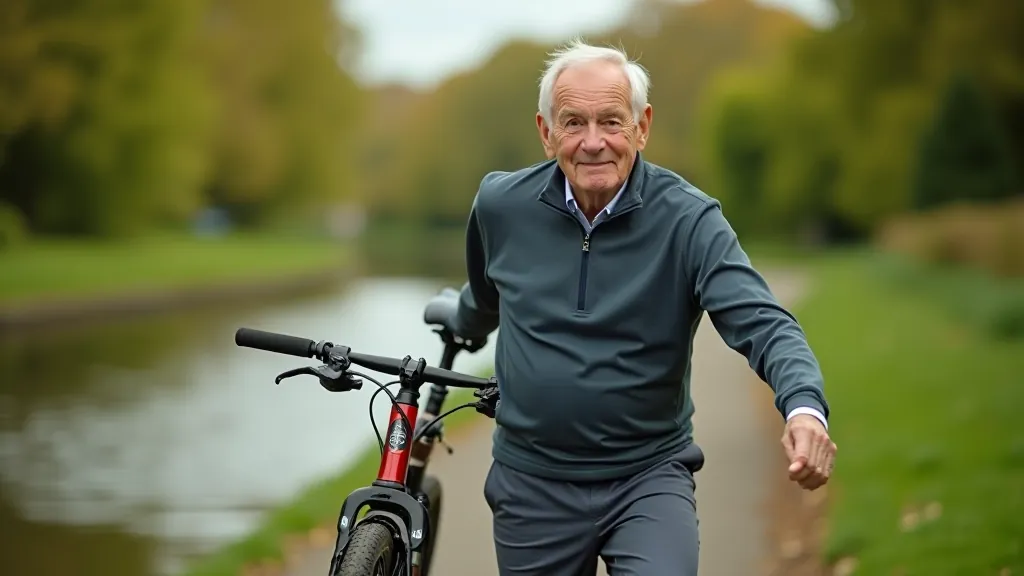
This is crucial. There's a difference between "working hard" and "working too hard." When you're working hard, you're breathing heavy but you can still speak in short sentences. You're pushing yourself but it feels manageable.
Too hard feels different. Your legs burn in a sharp way. You can't catch your breath. Your body's telling you to slow down — so slow down. There's no prize for suffering.
Rest days matter more than ride days. Your muscles repair when you're not riding. That's when the actual adaptation happens. Don't skip them thinking you'll progress faster. You'll just get exhausted.
If a ride leaves you feeling energised, you've got the pace right. If you're wrecked for hours after, you went too hard. Adjust next time.
You build fitness while you're sleeping, not while you're riding. Aim for seven to eight hours. It's not lazy — it's essential training.
You don't need energy drinks. Water and food work fine. Eat something with carbs and protein within an hour of finishing. Your body's ready to repair.
A short walk's fine. Stretching's great. You're not sitting completely still — you're just letting your cycling muscles recover.
Some muscle soreness is normal for the first two weeks. Sharp pain isn't. If something hurts sharply, take an extra rest day. It's better than an injury.
This article is informational and educational only. The advice presented reflects common cycling practices for recreational fitness. If you have existing health conditions, take medications that affect your exercise tolerance, or have concerns about starting a new physical activity, consult your doctor or a qualified healthcare professional before beginning. Everyone's fitness level and physical capabilities are different. Listen to your body and adjust accordingly.
You'll get there. Gradually is actually faster than you think. In two months, you'll be riding distances that seemed impossible at the start. You'll be going places. You'll have energy you didn't have before.
That's not luck. That's what happens when you build fitness properly — slow, steady, and actually sustainable.
Start small. Be patient. Listen to your body. You've got this.