Why Safety Matters on the Towpath
Cycling the Barrow towpath is peaceful. The water's beside you, the scenery's lovely, and you're moving at your own pace. But that peacefulness can make it easy to skip the safety basics. Thing is, proper equipment isn't about being overly cautious — it's about riding with confidence so you can actually enjoy those miles.
We're not going to lecture you about risk. Instead, we'll cover the actual essentials that make a real difference. The stuff that fits into your routine without fuss. You'll notice we're focusing on what you genuinely need, not a massive checklist that'll gather dust in your shed.
The Core Four
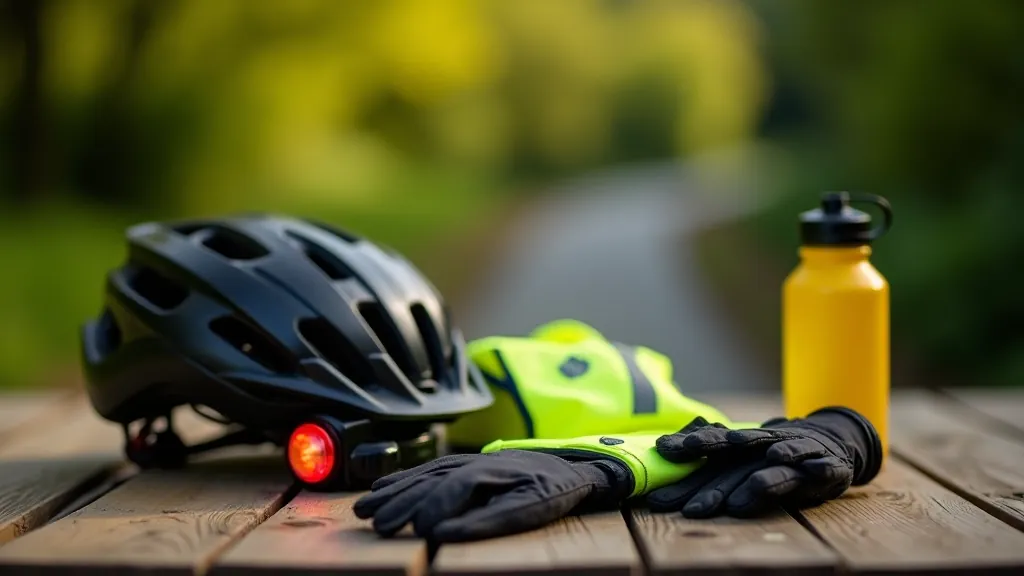
- A properly fitted helmet
- Front and rear lights
- Reflective visibility
- Regular bike checks
The Helmet: Getting the Fit Right
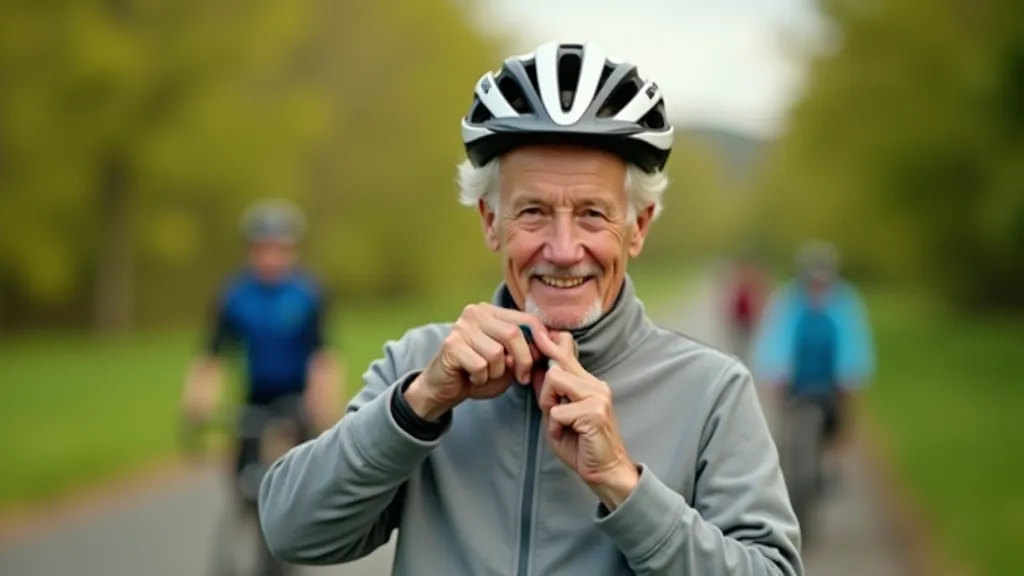
A helmet only works if it's on your head and fitted properly. We know some cyclists feel self-conscious about it — that's honestly more common than you'd think. But here's what we've seen: once you've had one close call, you're glad it was there.
Your helmet should sit level on your head, not tilted back or forward. The front edge should be about two finger-widths above your eyebrows. When you fasten the strap, you should only be able to fit one finger under the chin strap when it's buckled. Sounds tight? It should be snug — that's how it stays in place if you take a tumble.
Pro tip: Most cycle shops will adjust your helmet fit for free. Spend five minutes getting it right and you won't think about it again.
Modern helmets are lighter and more comfortable than they used to be. You'll find options with good ventilation so you're not overheating on warmer days. And yes, they come in colours beyond white now.
Lights: Visibility in Both Directions
You need lights even if you're riding during daylight. They're not just for seeing — they're for being seen. A front light and a rear light are the baseline. Your front light should be bright enough that you can see the path ahead, especially under trees where it gets shadowy. The rear light is there so people coming up behind you know you're there.
Battery lights are fine for casual towpath riding. They're affordable, reliable, and don't require charging if you use decent batteries. USB-rechargeable lights are becoming cheaper and lighter, so don't rule them out either. Most people end up with both — one set on the bike permanently and a spare in the house.
Test your lights in poor conditions before you rely on them. A light that seems fine in your kitchen might not cut it at dusk. And don't forget about them — it's easy to ride for weeks thinking they're there when you haven't actually switched them on.
Reflective Gear: Passive Protection
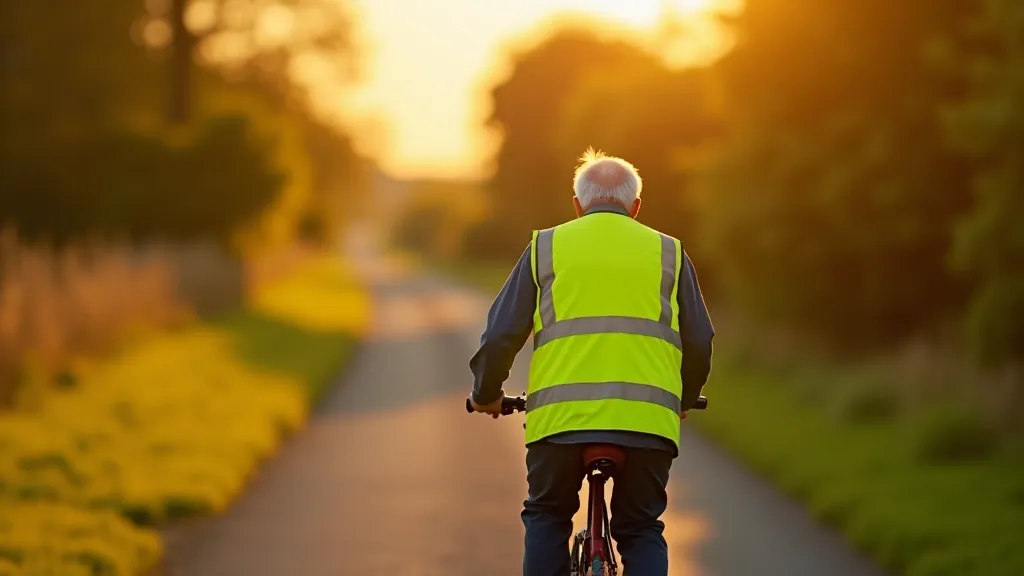
Lights are active — you control them. Reflective gear is passive — it works whether you think about it or not. A reflective vest or armband catches light from car headlights and reflects it back. It's one of the most cost-effective pieces of safety equipment you can buy.
You don't need much. A lightweight vest that folds up in a pannier is perfect. Or stick reflective tape on your existing jacket. Some people use leg bands or ankle straps. The point is visibility from multiple angles — drivers need to see you coming and going.
Real scenario: Early morning towpath rides often mean low light. Reflective gear costs €8-15 and could be the thing that makes someone spot you in poor visibility.
Basic Maintenance: The Weekly Check
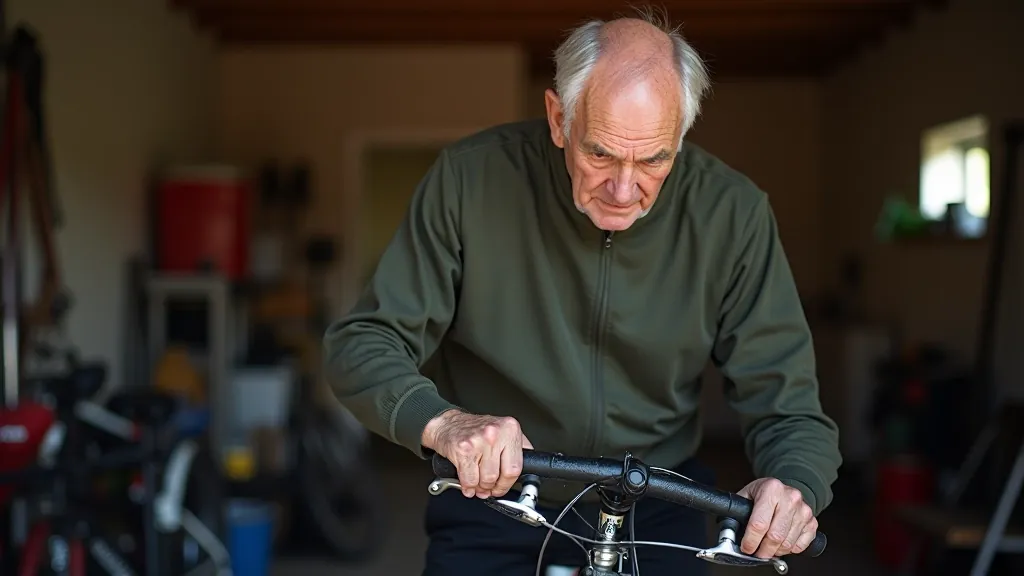
You don't need to be a mechanic. But a quick five-minute check before you ride can catch problems before they become dangerous. Check your tyres for obvious damage or debris. Spin the wheels to make sure they're not rubbing. Squeeze the brake levers — they should have resistance and the brakes should stop the wheels cleanly.
Tyre pressure matters more than people realize. Under-inflated tyres make pedalling harder and are more likely to puncture. Over-inflated tyres give a harsh ride. Your tyres will have the recommended pressure printed on the sidewall. A cheap floor pump with a pressure gauge takes the guesswork out of it.
Chain maintenance is straightforward. If your chain's dry, it'll sound noisy and skip when you pedal. A light chain oil every month keeps it happy. Wipe away excess so it doesn't collect dirt. You're not trying to make it waterproof — just keeping it lubricated.
Clothing: Comfort Meets Visibility
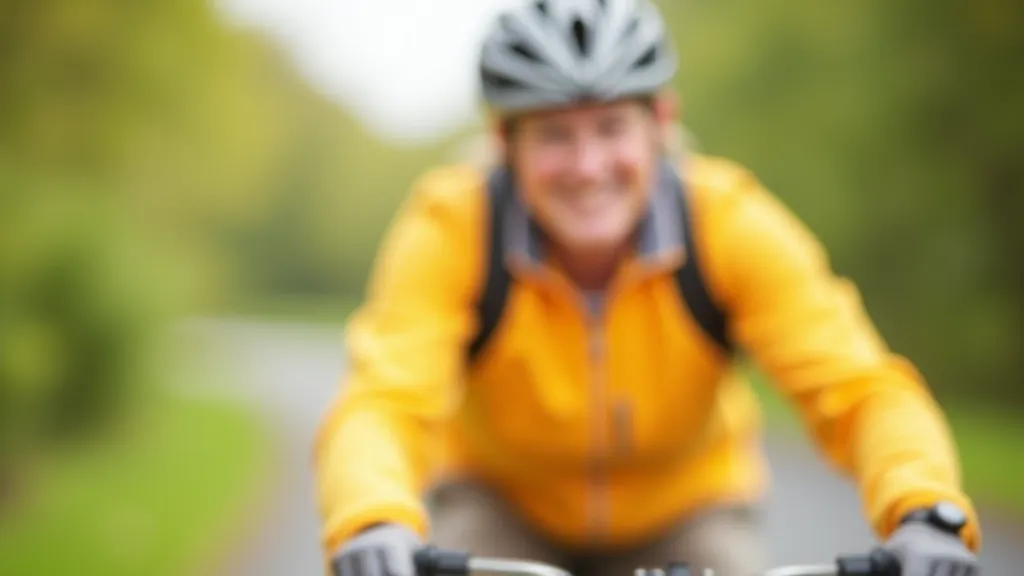
You don't need special cycling clothes for towpath riding. What you need is visibility and comfort. Bright colours help — oranges, yellows, and high-vis greens are genuinely more visible than dark neutrals. That doesn't mean you have to dress like a highlighter, but awareness of what you're wearing matters.
Loose clothing can catch on the chain or seatpost, which is more common than you'd think. Avoid baggy trousers or long scarves. Roll up trouser legs or use a trouser clip. In wet weather, a waterproof jacket keeps you dry and visible. Many come in bright colours anyway.
Gloves are worth mentioning. Even on mild days, they protect your hands if you slip. They also improve grip on the handlebars, especially in wet conditions. You don't need expensive cycling gloves — gardening gloves work fine.
Important Note
This article is informational guidance for canal towpath cycling. Safety equipment recommendations are general suggestions based on common practice. Your individual circumstances, local conditions, and personal abilities may vary. Always consult with a qualified bike mechanic for maintenance concerns, and consider taking a bike handling refresher course if you're returning to cycling after a long break. Weather conditions, trail surfaces, and traffic situations vary — adapt your equipment and riding style accordingly.
Putting It All Together
Safety doesn't need to be complicated. You're looking at a helmet, lights, something reflective, and basic maintenance habits. That's genuinely all you need to ride the Barrow towpath with confidence. It's not about being fearful — it's about removing distractions so you can focus on enjoying the ride.
Start with these essentials. Once you've got them sorted, you'll develop your own preferences. Some riders add mudguards for wet days. Others use phone holders or handlebar bags. But the core stuff we've covered here? That's your foundation.
The towpath is waiting. You've got the knowledge now. Get your gear sorted, and get out there.