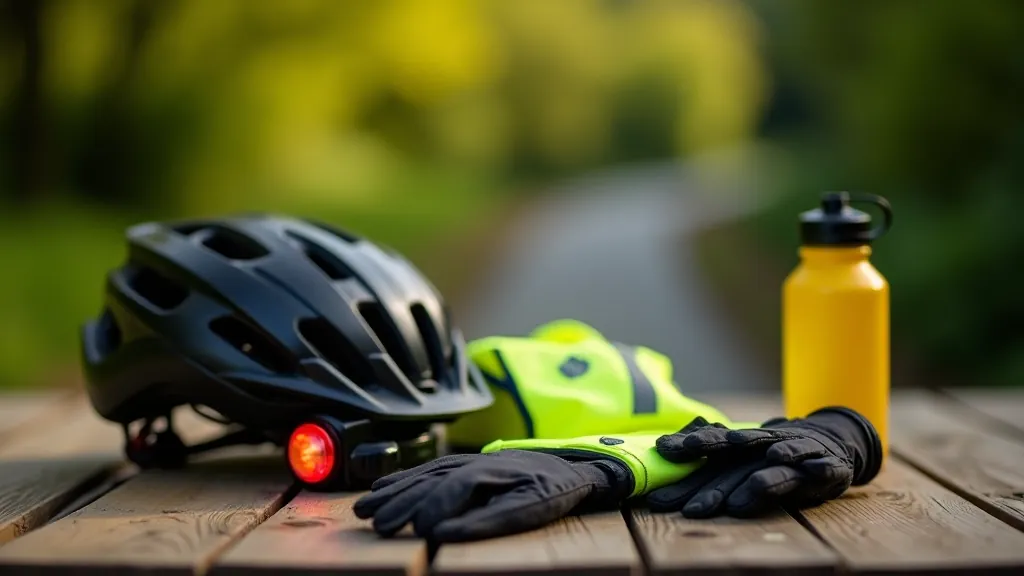
Safety Essentials You Really Need
From helmets and lights to reflective clothing and maintenance checks. We'll walk you through the gear that actually protects you on the road.
What to look for in a bike frame, seat comfort, and tyre options that make canal riding easier and more enjoyable for older cyclists.
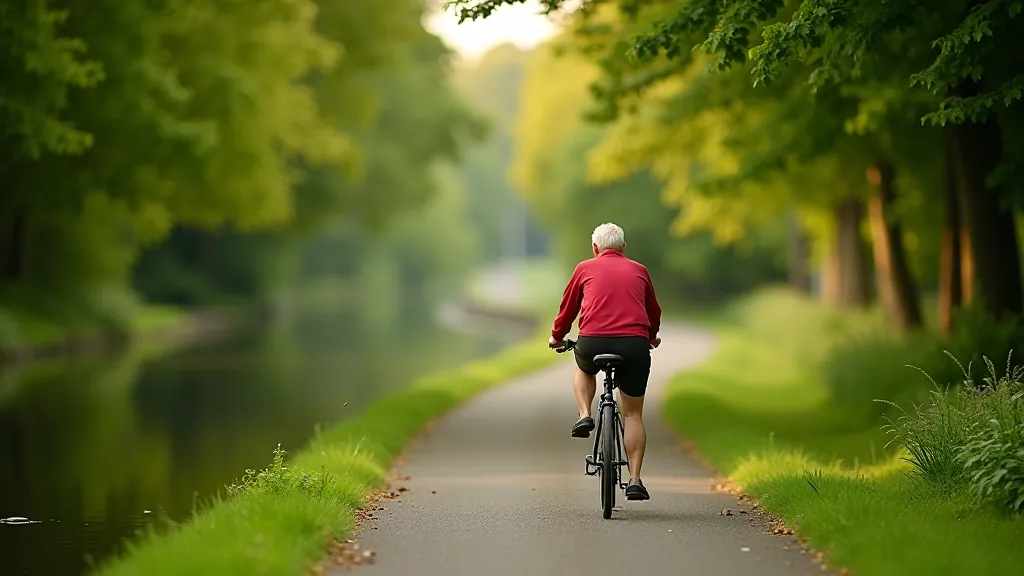

Choosing the right bike isn't just about getting something that works — it's about getting something that works for you . A bike that fits properly makes all the difference between a ride you'll enjoy and one that leaves you sore and frustrated.
We're not talking about expensive gear or trendy models. What matters is comfort, stability, and ease of use. You'll be spending time on the Barrow towpath or other local routes, and your bike should support that journey, not fight against it.
If you can't comfortably stand over the frame with both feet flat on the ground, it's the wrong size. That simple test matters more than brand names or price tags.
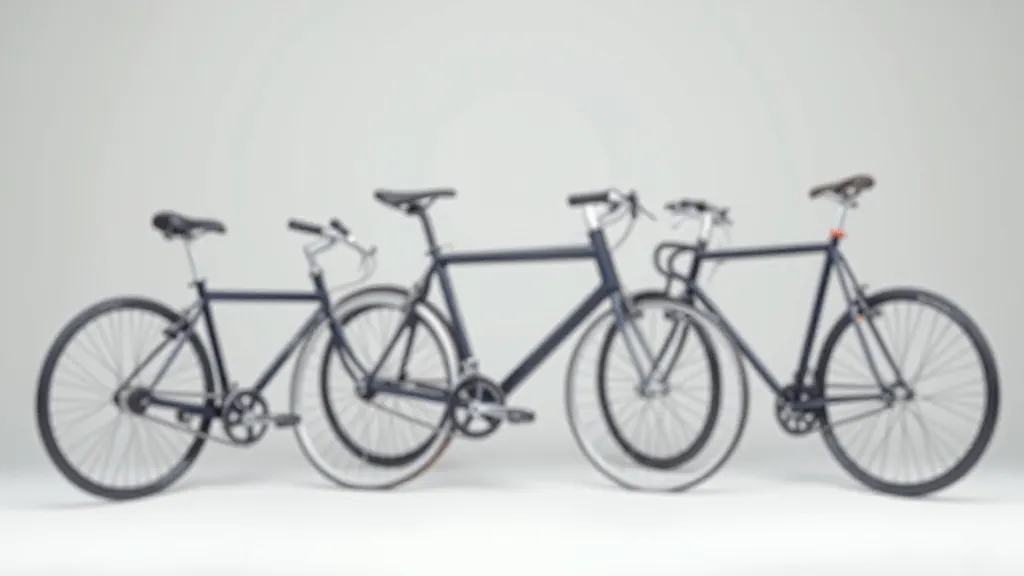
Frame size determines everything. Too small and you'll be hunched over. Too large and you'll struggle to get your leg over. For towpath cycling, you want something stable and easy to mount — think step-through or low-frame designs.
Look for a frame with a gentle slope or flat top tube. This isn't just about looks. It means you can mount the bike safely without swinging your leg high. You'll appreciate this on day one, and you'll still appreciate it when you're cycling regularly.
Steel frames are heavier but forgiving. Aluminium is lighter and easier to handle. Both work well. What matters is the geometry — you want a relaxed riding position, not a racing position. Your back and neck will thank you.
You'll be sitting on this seat for 30, 45, or 60 minutes at a time. A thin racing saddle isn't going to work. You need padding, width, and support. Many riders switch to an aftermarket seat within the first month — don't waste money on a bike with an uncomfortable saddle you'll replace anyway.
Wider seats are better. They distribute weight more evenly and reduce pressure on sensitive areas. Look for saddles 25cm wide or more. Some riders prefer memory foam. Others like gel inserts. What matters is that you don't feel pain or numbness after 20 minutes of riding.
Seat height matters too. Your leg should be almost straight at the bottom of the pedal stroke — not locked straight, but close. A seat that's too high or too low causes knee pain and lower back strain. When you buy a bike, ask the shop to adjust the seat height before you leave.
Don't overlook this detail. A bad seat ruins otherwise good rides. A good seat keeps you coming back week after week.
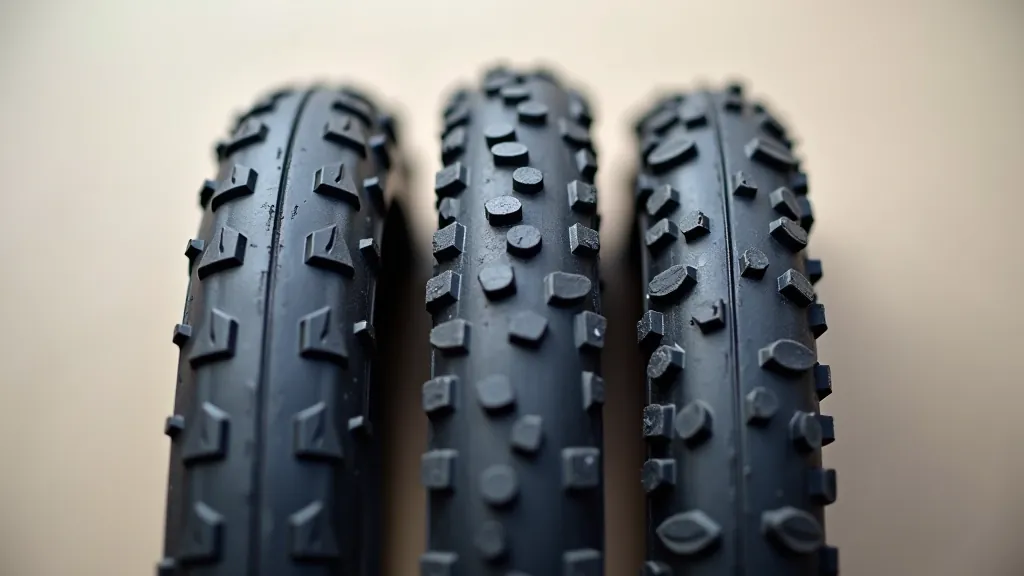
You don't need knobby mountain bike tyres for towpath cycling. The surface is mostly compacted gravel or tarmac — smooth and well-maintained. What you want are tyres with moderate tread. They grip well on gravel without adding drag on paved sections.
Look for 32-38mm tyres. They're wide enough for comfort and stability, but not so wide they feel sluggish. Pressure matters too. Most older cyclists run their tyres at 50-60 PSI (pounds per square inch). Check the sidewall of your tyre for the recommended range. Slightly lower pressure gives a smoother ride.
Puncture resistance is worth paying for. You'll spend less time fixing flats and more time cycling. Continental and Schwalbe make excellent towpath-ready tyres that last thousands of kilometres.
You don't need 21 gears. Really. Most towpath cycling happens on relatively flat terrain. A 7-speed or 8-speed hub gear does everything you need. It's simpler, requires less maintenance, and you'll spend less time fiddling with shifters and more time enjoying the ride.
Hub gears are excellent for casual cycling. They're enclosed, protected from dirt, and shift smoothly even when you're stopped. Derailleur systems (the chain-and-sprockets type) need more upkeep, but they're lighter and give you more gear options if you find yourself tackling hillier routes.
The Barrow towpath is mostly flat, so you'll rarely need extreme low gears. Pick a system that feels smooth and reliable. Test it in the shop — does it shift smoothly? Does it feel responsive? That matters more than the number of gears.
Fewer gears means fewer adjustments. You'll spend 15 minutes per month on basic maintenance instead of 45. That's real value when you're trying to stay consistent with your cycling routine.
This guide is informational and designed to help you understand bike selection for recreational towpath cycling. Every rider's needs differ based on fitness level, experience, and physical condition. Before starting any new cycling routine, consider consulting with your GP or a healthcare provider, especially if you have existing joint issues, balance concerns, or haven't exercised regularly. A local bike shop can provide personalized fitting advice tailored to your specific body measurements and riding style. The recommendations here are general guidance — not a substitute for professional bike fitting or medical advice.
You're not looking for a perfect bike. You're looking for a bike that fits you, feels comfortable, and won't frustrate you on the towpath. Test ride several options. Don't rush the decision. A good fit shop will let you take time with this.
Once you've chosen, spend the first few rides getting familiar with your bike. Small adjustments to seat position or handlebar angle can make a huge difference. Most importantly, you'll know within the first week if your choice was right. That's when you'll start planning your next ride.